Kimch
Kimchi, basically, is pickled cabbages with various spices such as red pepper, garlic, salt, salted fish and much more. Ancient Koreans made it to ingest vegetable during winter season because salted food is able to keep up its nutritive elements for long time. Most Korean people like Kimchi and eat it every time. Kimchi, is especially suitable for steamed rice or greasy food.
Most significant features of Kimchi are that it is very hot and fermented food. Kimchi is very famous or notorious to foreigners owing to its hot taste. Most Korean people love spicy food so they eat lots of spices such as pepper, garlic, ginger, onion and so on. But its hot taste is different with other food's hot taste like as Mexican food and Thai food. Kimchi has more fresh and unique taste.
As Kimchi is a fermented food like as cheese and yogurt, it is very good for health. Kimchi contains various vitamins and healthy elements. According to a medical research, Kimchi has natural elements to prevent infectious disease. Now days, many medical institutions are publishing the result of their research work that Kimchi is good for preventing Avian Influenza(A.I.). So Kimchi is getting popular in the U.S.A. Kimchi was exported to the U.S.A. with $285million in 2004 and Sales of Kimchi in the U.S.A. has increased by 55% on last year's. In 2003, SARS(Severe Acute Respiratory Syndrome) prevailed through the world, At the moment, many Chinese people suffered from SARS. No Korean was infected even though Korea is very close to China geographically and economically.
Kimchi has a variety of types. Generally, Kimchi is spicy but some Kimchi is not so spicy. Ingredients of Kimch is different according to regions. For instance, Kimchi in the south-east of Korea use lots of slated fish. This place has one of biggest foreshore in the world so they eat and use various salted fish to make Kimchi. As a result, Kimchi from this place has a deep and superior taste. You would be able to understand Korea more easily if you study the features of Kimchi.
 Chinese food
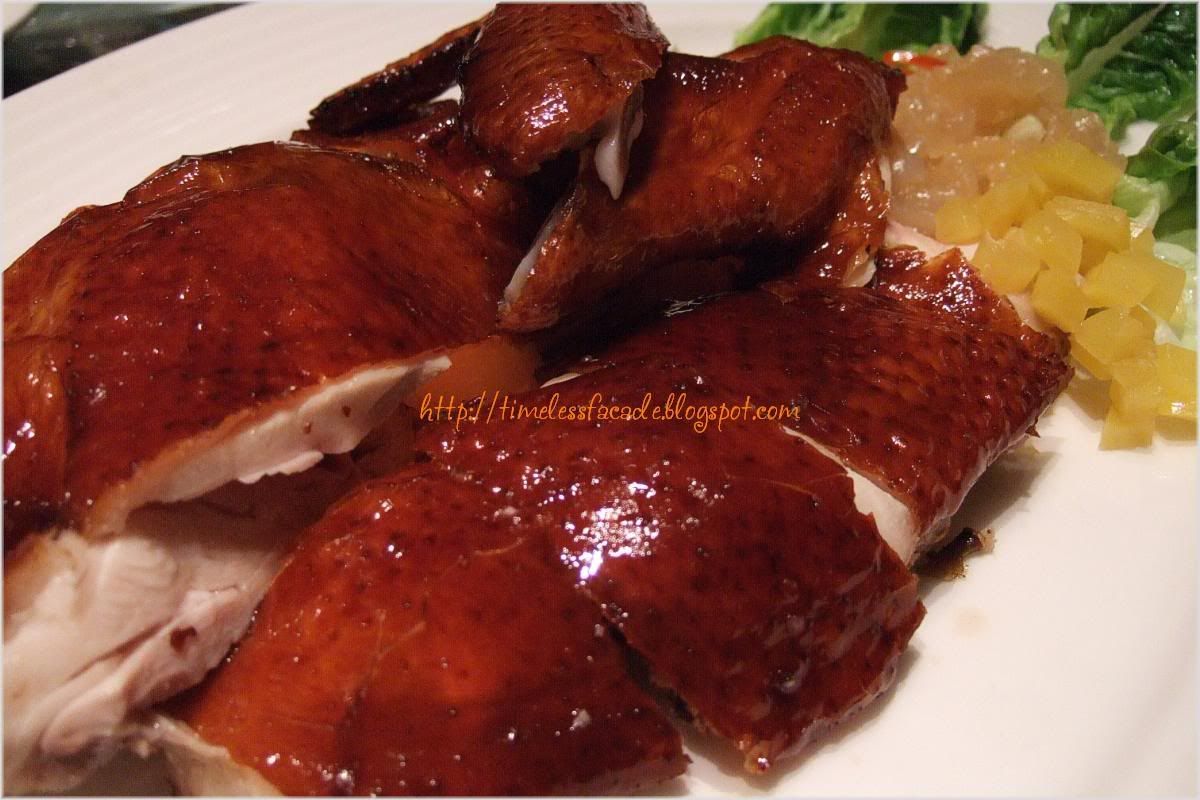
 is one of the most popular food in the world. This food is also known as Cantonese food best known for its most Popular variety of Chinese food, and the freshness of its ingredients. The food are only given a little touch of oil to make the food little crispy and fresh. The dishes are traditionally shared. Sweet and sour dishes,won ton, chow mein, spring rolls etc. all foods are said to be either cooling- like vegetables, most fruits and clear soups and hot like starch food and meat The unique appeal of Chinese food is its vast menu.
There are countless variations revolving on one simple theme of noodles. Some are little gravy, salty, pan mee, fried over a flaming wok with Soya sauce and marinate the noodles in rich oil with prawns. Steamed and boiled dumplings, fried, soup noodles, Kung Pao chicken, hot pot, fried pancakes, green onion pancakes, gluttonous, rice wrapped in bamboo leaves, peking duck, filled steamed buns and fish, tofu dishes, Soya egg ,tea, rice egg porridge, dough pastries, rice balls, fish balls, moon cakes, potato salads, garlic chickens are the great variety of the Chinese food. Chinese food is having a mild taste. Dishes are produced and innovated with a touch of Indian and Malay cooking. Chopsticks are preferred method of eating the Chinese food. Chicken and pork is extremely popular but exotic meat, such as frogs, shark fins, snail and even the occasional lizard are also used.

Hot pot is not only one of the
most popular and certainly one of the most 'sociable' meals in Taiwan, the hot-pot experience is probably also the most paradoxical. Created by nomadic Mongolian herdsmen and well-suited to the long, cold winters of Mongolia and northern China, huoguo (literally 'fire pot') has been the rage in subtropical Taiwan in all its four seasons for many years now.
With winter approaching, now is the best time of year to gather with friends around the hot pot's naked flame and 'chew the fat' while sampling one of the many variations of this ancient dish on the market today. Indeed, one topic of conversation could well be the ingenuity manifested in the diversity of offspring the mutton-and-vegetable progenitor spawned by the time the hot-pot phenomenon reached Taiwan.
Well-traveled Dish
In Beijing and northeastern China where fuel has always been in short supply, hot pot became shuan-shuan-guo ('rinse-rinse pot'), the moist equivalent of stir-fry, in which strips of mutton are held with chopsticks and 'rinsed' twice in boiling stock and then eaten.
In China's hinterlands, where sheep and cows are rare, huoguo picked up the Chinese staple meats of pork and chicken.
In Sichuan, like all foodstuffs entering this far western province, it acquired chilies and became spicy.
When it reached the southeastern coast and warmer climates, fresh seafood replaced the dried shrimp and the heavy yang meats more suited to the colder climes.
Today in Taiwan, the choice of hot-pot styles is almost as overwhelming as their fragrance. One website lists the addresses of more than two hundred hot-pot restaurants. In addition to Mongolian and Manchurian, Beijing shuan-shuan, northeastern 'sour-veg, white-meat,' and Sichuan 'numbing-spicy,' one can also find Japanese shabu-shabu, Korean kimchi and stone-pot styles, Thai and other curries, Taiwanese-style huoguo that correspond to local tastes, special vegetarian hot pots created to meet the needs of Taiwan's many religious and health devotees, as well as milk, chocolate, and Swiss fondue.
A Meal in Three Acts:
Act 1 – the Soup
Indeed, the basic equipment is similar to that of the fondue with which you might be more familiar, a large metal cauldron. Traditionally heated by charcoal and with a tall chimney to carry the fumes above diners' heads (though these have been replaced largely by gas or electric heaters), the soup is brought to the boil before any ingredients are added.
Once merely the means of cooking the meats and other main delicacies, the soup is today considered by hot-pot aficionados as perhaps the key to a good meal. With all the ingredients laid out for all to see, the soup is also the last source for a claim to a secret recipe 'handed down from the forefathers' or 'garnered in Outer Mongolia' left for restaurant proprietors to make. As a consequence, most will not divulge the precise makeup of their stock, merely calling them by tantalizing names such as 'sixteen gems from heaven.'
Soups are based on meat stock, with sheep, cow, or chicken bones simmered 'for a dozen hours until all the marrow is released.' Other ingredients commonly include tomatoes, scallions, garlic, ginger, other vegetables, and salt and pepper. In fact, the soup gets stronger as the meal progresses and the cooking foodstuffs give out flavor.
Despite all the variations mentioned above, soups can be placed in two main categories, spicy and clear, with the former usually described as 'numbing-spicy” (mala). This hot pot, almost unknown in Taiwan a decade ago, has taken the country by storm. A recent variation is to offer both types of soup at the same time in a divided pot. This is often referred to as yuanyang (female and male mandarin ducks), which represents the perfect harmony of yin and yang, of cool and hot.
Another popular combination, especially at the cheaper all-you-can-eat restaurants, is to have a hot pot surrounded by a griddle for barbecuing.
Act 2–Sauces for Courses
The second of three flavor components is created by the sauce, into which the meats are dipped after cooking. As with the soup, restaurants pride themselves on their sauces, but there is no mystery here as the ingredients are laid out on a sauce tray or stand, above which is often pinned an instruction sheet with recommendations on how to make the 'house special' or classic sauce. Alternatively, staff members are usually happy to explain.
Act 3 - Ten Meats and Ten Veggies
Hot pot is not for light eaters. In addition to the rich soups and sauces which provide much of the taste, the main nutritional fare usually consists of several dozen meats, vegetables and other delicacies.
A few of the more common examples include thin slices of mutton, beef and pork, which are often labeled to avoid confusion, pieces of chicken or more exotic meats (one upmarket restaurant includes ostrich meat.
Various types of offal are also popular, including stomach, intestines, liver, kidney and puddings made from blood. Seafood includes prawns in their shells, clams, sea cucumber and crabsticks, while vegetables can include pretty much anything, with staples being cabbage, Chinese turnip, and a variety of mushrooms.
Soft doufu (tofu) is preferred as it absorbs more flavor, as does a variety of dumplings, and shrimp and fish balls. At some hot-pot restaurants all these items are presented on skewers (which is said to be the original way) that are convenient for lifting in and out of the soup and swishing about. Ingredients are usually handled with chopsticks or ladles, however, with each person being responsible for the things he or she puts in, but also taking care of others. One reason for the popularity of huoguo is their sociable nature, another is that it satisfies people's natural instincts to cook fresh food themselves. The main meal on Chinese New Year's Eve is called weilu ('surround the stove'), which is a prolonged hot pot as family members arrive one-after-another.
Two Particular Favorites
With such a variety of hot pots available, two kinds stand out as being both particularly popular and authentic in flavor and atmosphere.
The first is 'sour-veg, white-meat' originating in China's northeast. Typically heated in charcoal pots with tall chimneys, and using a chicken-based soup, the 'sour-veg' is pickled cabbage, and the 'white-meat' is fatty pork that has already been boiled to rid it of water. The recommended sauce includes bright-pink fermented beancurd.
The second is the 'numbing-spicy' hot pot from Sichuan. Originally containing mostly entrails and internal organs (thus the heavy spicing?), mala hot pots in Taipei have been adapted to local sensibilities and now offer a full range of ingredients but still include intestines .The spiciness of the soup can also be ameliorated to customers' wishes; the recommended sauce includes heavy servings of chili powder and mashed garlic.
Doing It Yourself
Even after leaving Taiwan and without a secret family soup recipe, Taiwan-style huoguo in its many varieties is easy to organize at home. Just put a pot on the stove (moveable electric cookers are best), bring some stock to boil, throw in some favorite ingredients...and don't forget to turn up the air-conditioning.
 Steam flatfish with ginger and green onion
 Boiled pork with spices